Facades That Reflect Decades of Life
In Italy, architecture ages gracefully – gaining depth instead of losing beauty.
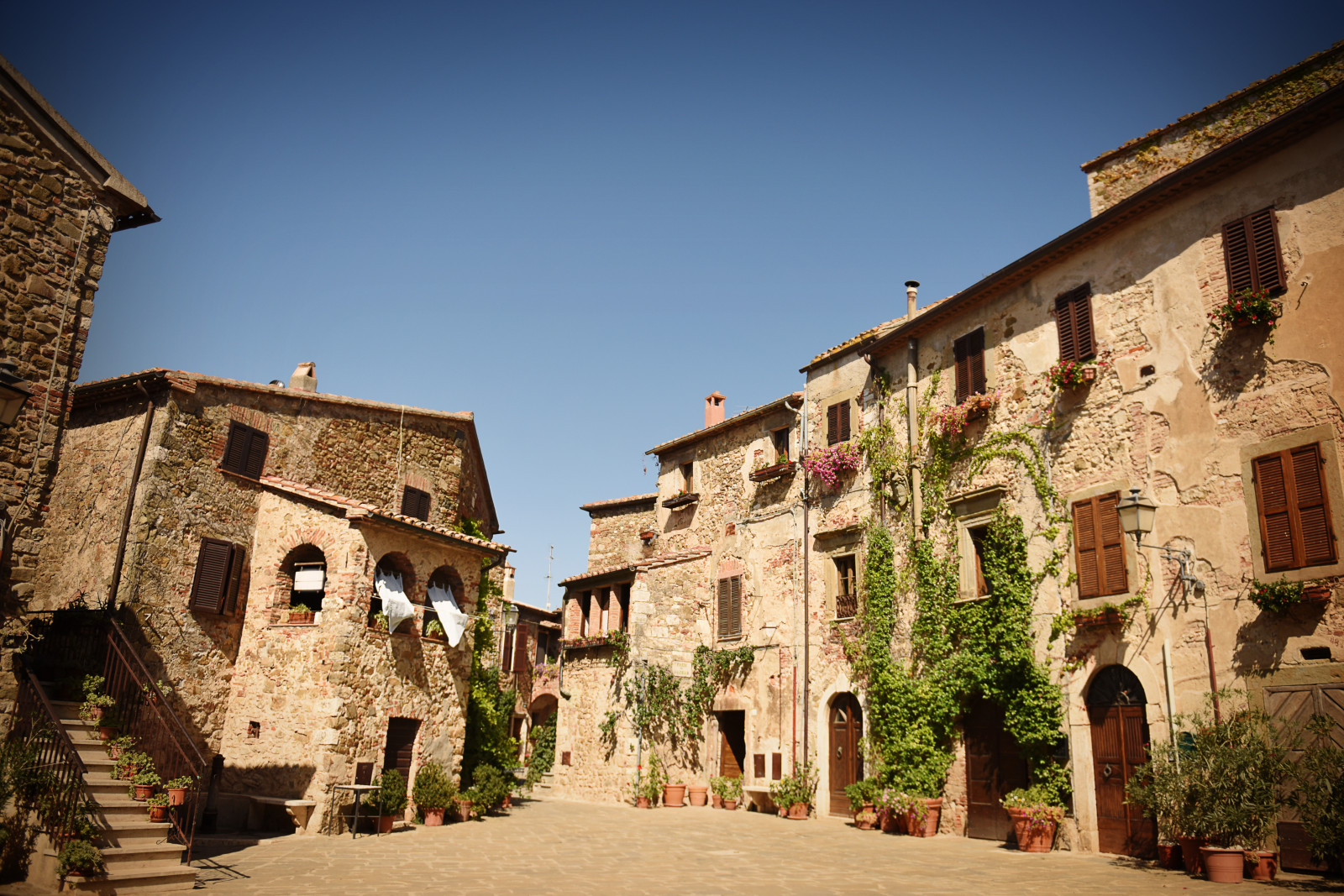
Along many streets you can see photos of old Italian facades with sun-worn plaster, brick emerging through damaged layers, and faint fresco traces visible between shifting shadows.
These natural textures feel like a book of memories carved into every wall.
Shades Formed by Nature and Time
Italian towns are recognizable by their soft, natural palette.
When observing the colors of old Italian building facades, you notice ochre melting into warm terracotta, pale reddish-brown tones shifting into sandy hues, and evening light casting gentle pink reflections.
Such colors cannot be manufactured – they grow only in cities shaped by centuries.
Streets Where the Breath of the Past Is Still Present
Italy reveals itself most clearly in its narrow old streets.
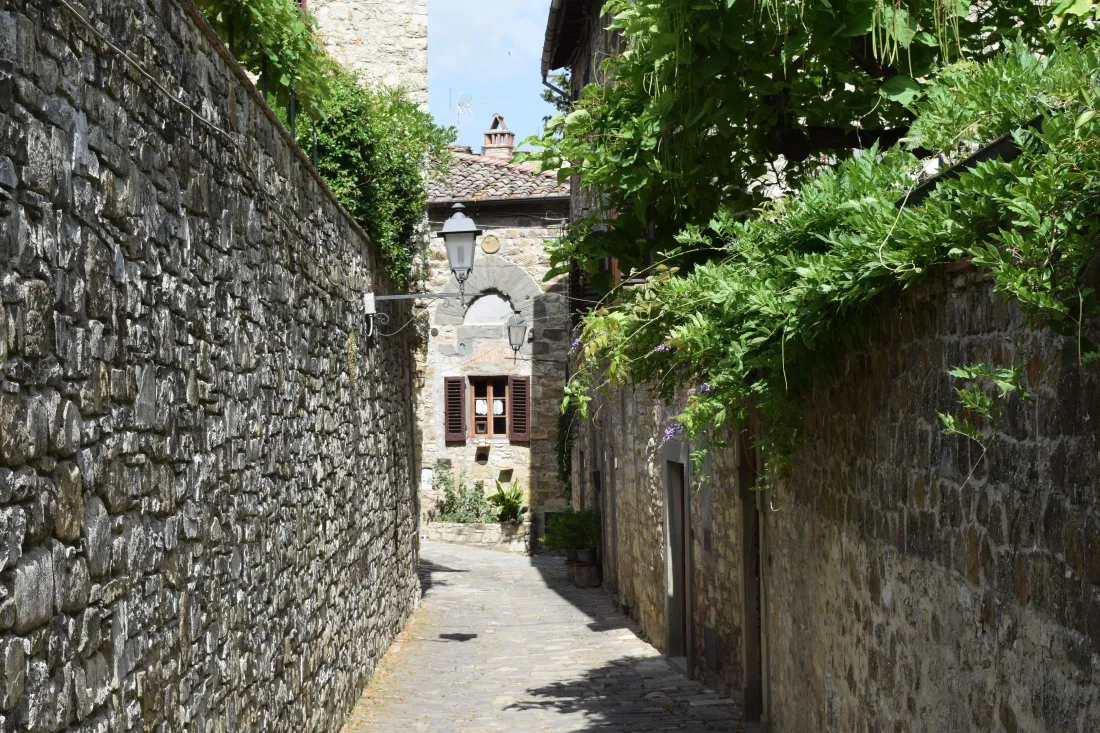
Walking along Italian streets with historic houses, you sense a soft calm: stone paving muffles your steps, the walls form a natural corridor, and balconies cast moving shadows.
These streets encourage slowing down and seeing the beauty in subtle details.
Quarters Where the City’s Natural Rhythm Survives
The truest Italy exists where architecture formed gradually.
In the ancient Italian quarters for walking, houses align with the land’s shape, stairways connect living levels, and passages appear where they once served daily needs.
Here the unusual architecture of small Italian towns shows its calm, organic character.
The full original post is available on the
Love Italy Club
website.
Italy Through Time: Faded Walls, Intimate Streets, and the Calm of Small Town Architecture
| November 19, 2025
487+ SaaS marketers are signed up
Don't miss out on the latest tips, tools, and tactics on converting visitors to paid customers.