An unforced introduction to the region
Alba does not try to define itself at first glance. The town and its surroundings reveal meaning gradually, through landscapes shaped by care and through everyday gestures repeated over generations. Instead of focusing attention on attractions, the region encourages awareness of pace, light, and atmosphere. This quality lies at the center of alba italy tourism, where experience grows through observation rather than direction.
Visitors often describe how quickly their expectations change. The environment slows movement, softens sound, and allows details to emerge naturally. Alba does not ask to be explored — it allows itself to be understood over time.
A landscape that guides without instruction
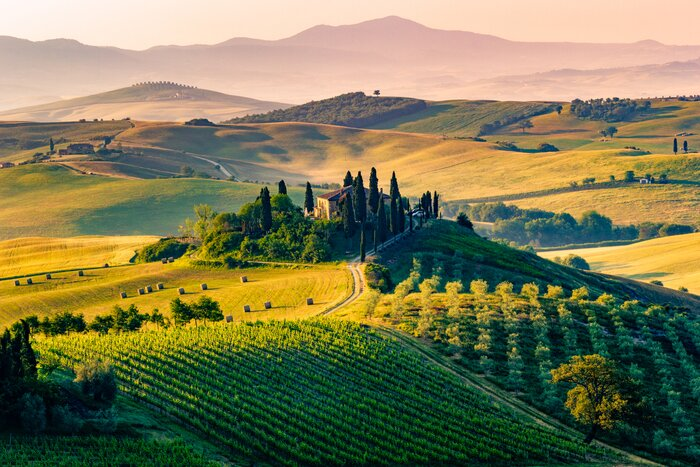
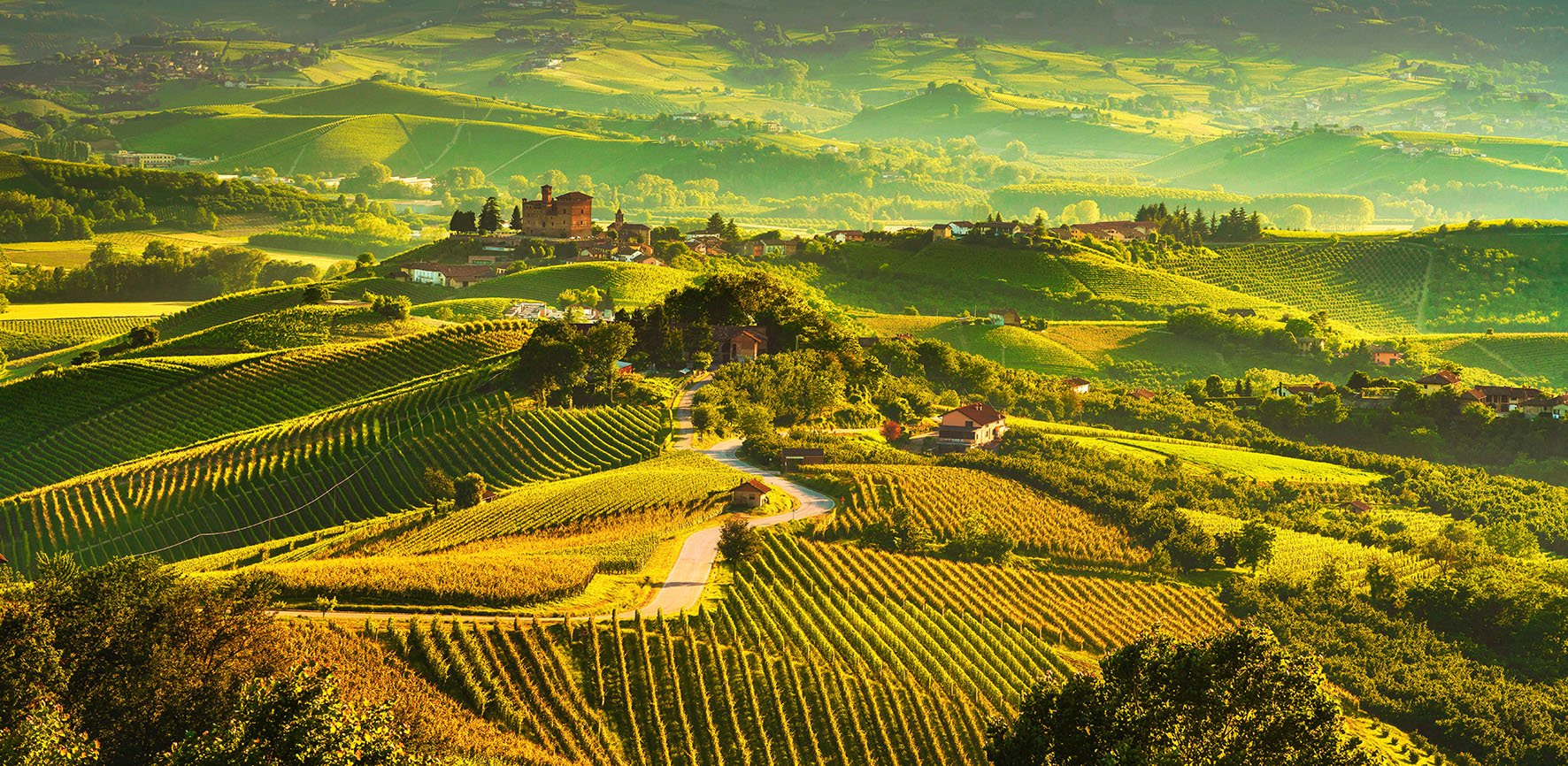
The geography surrounding Alba establishes a natural rhythm of travel. Vineyards follow the gentle logic of the hills, forested sections interrupt open slopes, and narrow roads connect villages in a way that feels intuitive rather than planned. Movement responds to terrain instead of schedules.
Even the shortest journeys reveal shifts in perspective — a ridge opening onto the Langhe, a solitary chapel overlooking vines, a farmhouse positioned where the land allows. These transitions quietly support alba italy tourism by letting the environment lead.
Town life shaped by repetition and use
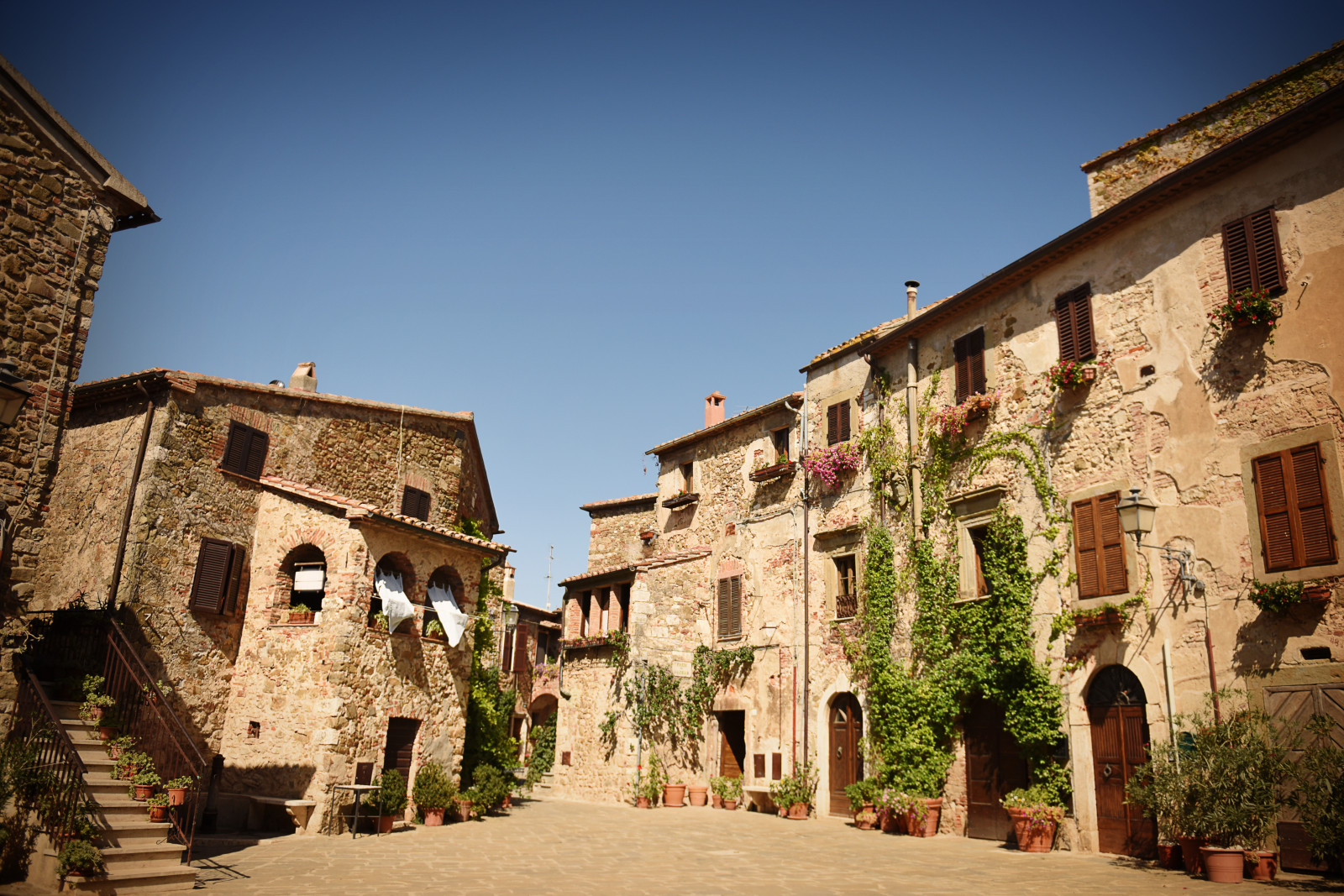
Alba’s cultural character emerges from routine. Markets operate on familiar cycles, cafés reflect long-standing habits, and craftsmanship remains tied to practical knowledge rather than presentation. Traditions persist because they are still lived, not because they are preserved.
For travelers, this creates a sense of belonging rather than observation. Time spent in town becomes participation, offering insight into how the relationship between land and community continues to evolve.
Wine shaped long before tasting
Winemaking in Alba is the result of accumulated attention. Families cultivating Nebbiolo, Barbera, and Dolcetto rely on seasonal patterns, soil response, and microclimate rather than intervention. Knowledge is formed through repetition and adjustment rather than instruction.
Because of this, wine tasting alba italy feels grounded and explanatory. Tastings emphasize how choices made in the vineyard define balance, structure, and character before the wine reaches the cellar.
Understanding place through taste
Tastings typically unfold as conversations. Producers speak about exposure, elevation, and weather patterns, helping visitors connect flavor to physical conditions. The process invites listening rather than evaluation.
Over time, wine tasting alba italy becomes a way of reading the landscape itself, where taste reflects continuity, patience, and local knowledge.
Regional perspective through wine routes
Looking beyond individual producers reveals the wider context. Alba wine tours connect viewpoints, vineyards, and approaches to winemaking into a coherent regional picture.
Through these routes, alba wine tours show how shared terrain allows for diverse expression while maintaining a strong and recognizable identity across the Langhe.
The full version of this article is available on the main website of Love Italy Club